Tag

Limousine service Rome

Funeral of the Hon. David Sassoli

By State Funeral No Comments

Funeral of the Hon. David Sassoli

Funerali On. David Sassoli-gabbiaservices

The State Funeral of the Hon. David Sassoli were celebrated on Friday 14 January in Rome, at the Basilica of Santa Maria degli Angeli e dei Martiri, in Piazza della Repubblica.

Basilica di Santa Maria degli Angeli e dei Martiri-gabbiaservices

Many personalities to pay tribute to the President of the European Parliament.

Among these, in addition to the President of the Republic Sergio Mattarella and the President of the Council Mario Draghi, and the highest offices of the Italian State, there were many European institutional offices.

There were also many ordinary people who felt it was their duty to participate to pay homage.

Sergio Mattarella e Roberto Gualtieri

gabbiaservices

Sergio Mattarella, Maria E. Casellati, Roberto Fico, Mario Draghi, Ursula Von Der Leyen

Funerali On. Sassoli-Cariche di Stato-gabbiaservices

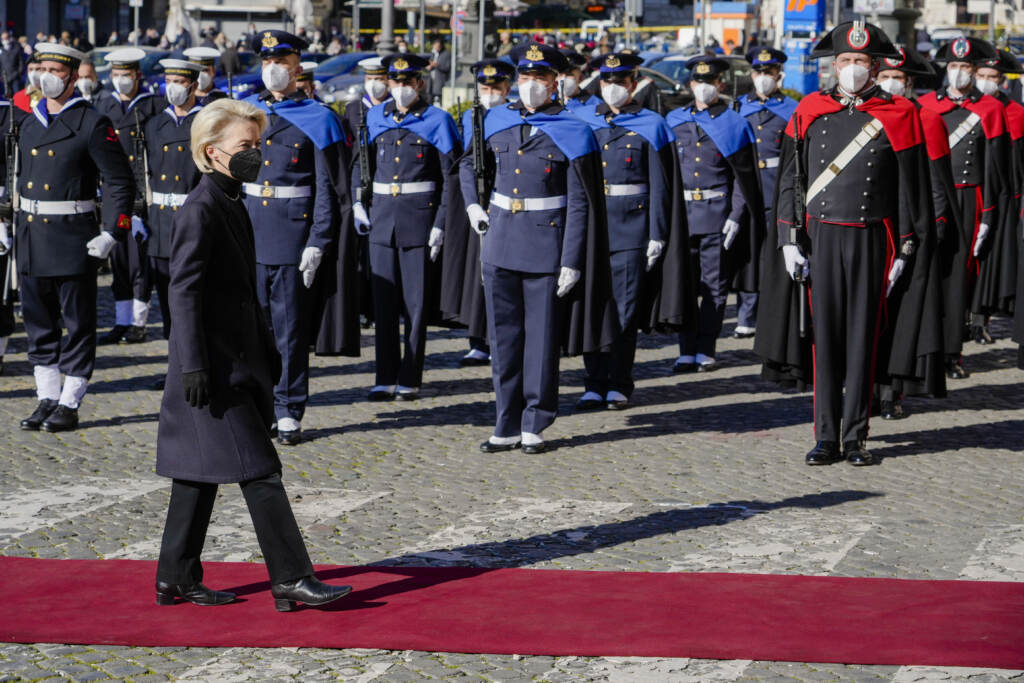
Ursula Von Der Leyen, current president of the European Commission, visibly moved, paid homage to her colleague and friend, with words of profound esteem and admiration.

On. Sassoli-Von der Leyen-gabbiaservices

The ambassador of the Czech Republic, Hana Hubáčková, also came to give the last farewell to the Hon. David Sassoli.


Hana Hubáčková-gabbiaservices

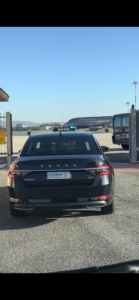
The Embassy itself requested our services during the day of the finerals.

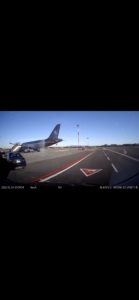
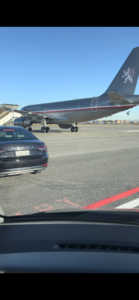
The state flight from the Czech Republic arrived in the morning of the same day.

Here are some pictures:

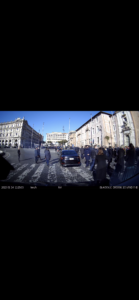
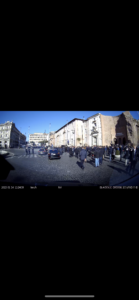
Arrival of the State Flight in Ciampino

gabbiaservicesgabbiaservicesgabbiaservices

Arrival of the Ambassador in the Basilica

gabbiaservicesgabbiaservices

We thank the Embassy of the Czech Republic for the opportunity and the trust it has been placing in us for years, we are proud of all of this.

We also take this opportunity to extend our deepest condolences to the family of the Hon. Sassoli.

The many people present in the Basilica testify to the great person he has been and to the excellent work he has done in all these years.


gabbiaservices

Venezia Square

By Monuments, Squares No Comments

Venezia Square

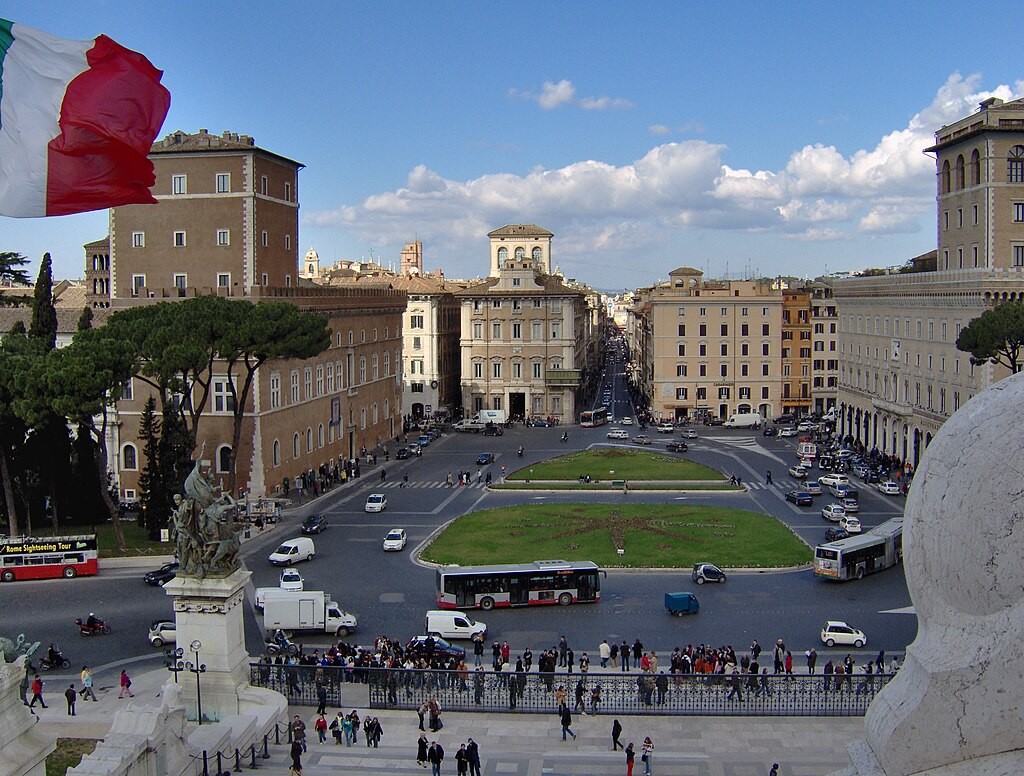
Venezia Square  is located at the foot of the Campidoglio, where five of the most important streets of the capital intersect:

via dei Fori Imperiali, via del Corso, the axis via C. Battisti-via Nazionale, the axis via del Plebiscito-corso Vittorio and via del Teatro di Marcello.

Piazza Venezia-gabbiservices

The square is dominated by the Altar of the Fatherland.

Vittoriano-gabbiaservices

Three monumental palaces surround it on the other sides.

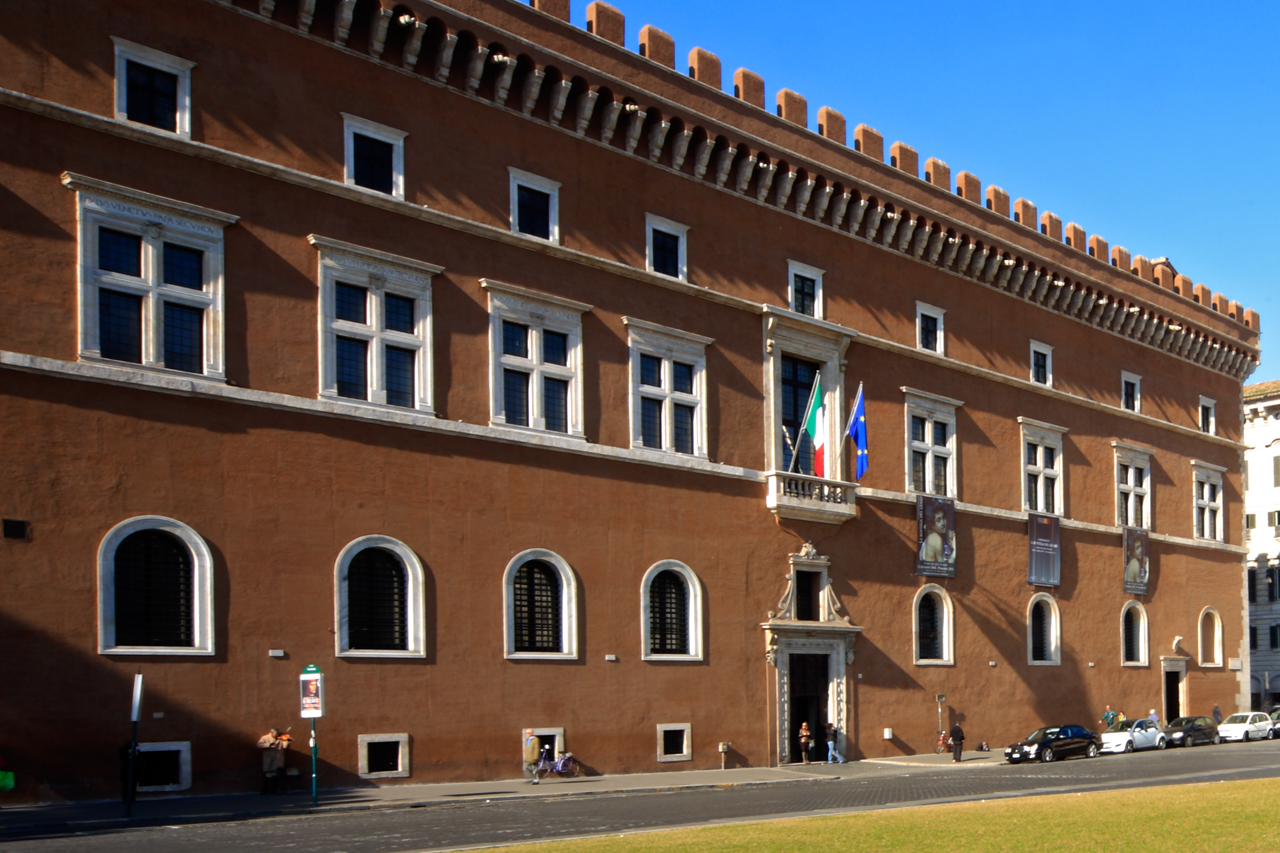
The oldest is the fifteenth-century Palazzo Venezia,

Visualizza immagine di origine

which gives its name to the square and which is home to the homonymous national museum.

The other palaces are the seventeenth-century Bonaparte Building.

Palazzo Bonaparte-gabbiaservices

and the Building of  Generali’s Insurence , built in the early twentieth century.

Palazzo delle Generali-gabbiaservices

On Venezia Square there are the boundaries of three districts:

to the west of it extends the Pigna district, to the east the Trevi district and to the south the Campitelli district.

Five important streets that branch off from Venezia Square make it a fundamental node of the urban fabric.

The oldest is the central Via del Corso, which connects the square with the northern part of the capital.

The route of Via del Corso dates back to 220 BC, following that of the urban stretch of the Via Flaminia, one of the most important consular roads.

Altar of the Fatherland is also called Vittoriano…

Altare della Patria-gabbiaservices

The Vittoriano complex was built to celebrate and initially remember Vittorio Emanuele II of Savoy, the first King of Italy.

It is also considered one of the monuments, symbol of the Eternal City and the country.

The monument was built between 1885 and 1911, and in fact represents the unity of the country and “love of country”.

The Unknown Soldier( Venezia Square)

In November 1923 the body of the unknown soldier was buried in the heart of the Vittoriano, to celebrate the victims who fell in the war.

In 1935, following the intervention of the architect Armando Brasini, the homonymous area dedicated to the Central Institute for the Risorgimento and its Museum, inaugurated on May 24 of the same year, was finally designed and built.

A monument, highly symbolic, immediately thought of as a place not only to look at but also to live, with museums and exhibition spaces, where great art exhibitions are held.

During the Christmas period the square lends itself to hosting the Christmas tree.


Spelacchio-gabbiaservices

Farnese Square

By Monuments, Squares No Comments

Farnese Square


Piazza Farnese-gabbiaservices

The square takes its name from the imposing Farnese Palace.

Farnese Palace

Visualizza immagine di origine

The Palace was built for Cardinal Alessandro Farnese by the greatest artists of the time.

Let’s talk about, Antonio da Sangallo Il Giovane, Michelangelo Buonarroti, Jacopo Barozzi called Vignola and Giacomo Della Porta.

The square began to be so named when the aforementioned Cardinal Farnese bought the houses of Cardinal Ferritz and others that he demolished, to make it a square where he built his splendid residence.

The palace was begun in 1514 on designs by Antonio da Sangallo Il Giovane.

Subsequently, both for the election of the cardinal as pontiff (Paul III) in 1534 and following the death of Sangallo (1546), the work was continued by Michelangelo.

Michelangelo, defined the layout of the first two floors,

he erected the third and embellished the façade with the central balcony and the splendid projecting cornice.

The material used for the construction of the palace was taken from the ruins of Ostia and those of the “Temple of the Sun”.

The travertine used was that from the quarries of Tivoli, while the beams for the ceilings of the palace, of exceptional proportions, were brought from the woods of Carnia.

It was nicknamed “the dice” for its square size, but it is also considered one of the four wonders of Rome.

In 1874 the French Embassy took up the palace through a lease with the Bourbons.

gabbiaservices

Purchased by France in 1911, the palace was resold to the Italian State in 1936, the year in which the two States signed an agreement to lease the two embassies,

the Italian one in Paris and the one French in Rome, for 99 years with emphyteutical rent.

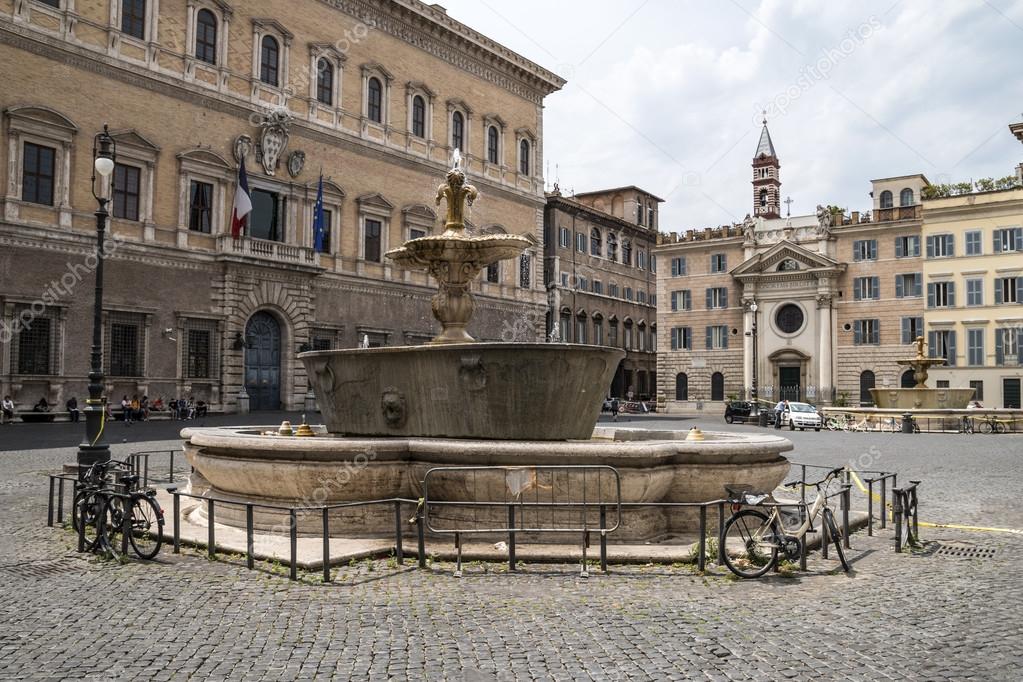
The Fountains of Farnese Square
gabbiaservices


In the square there are also two beautiful fountains, consisting of two Egyptian granite tanks from the Baths of Caracalla.

In 1545 Paul III Farnese had one transported in front of his palace.

At the center of the then  Del Duca Square (today Farnese), it was brought only for ornamental reasons as there was not enough water to feed the fountain.

In 1580 Cardinal Alessandro Farnese obtained permission from Pope Gregory XIII to take the second,

both still with a purely ornamental function.

It was Girolamo Rainaldi in 1626 who adapted them to fountains.

He attached them to the condes of the Acqua Paola, after Cardinal Odoardo Farnese obtained from Pope Gregory XV 40 ounces of water for the realization of the work.

The two pools are decorated with lion protomes and with relief rings and resting on as many travertine pools.

They have in the center two cups that support the Farnese lilies (originally in travertine, then redone in marble in the restoration work of 1938) from which gusps of water rise.

The square was long used as a space used for the organization of tournaments, bullfights and popular festivals.

Church of Santa Brigida in the heart of Farnese Square

On the right side of the square there is a building complex consisting of the church of Santa Brigida.

Del Gallo of Roccagiovine Palace

Another civil architecture that ennobles the square is Del Gallo of Roccagiovine Palace, today home to a lucky few.

What makes this palace unique is the magnificent staircase in the courtyard.

gabbiaservices

Farnese Square together with Campo Dé Fiori Square, both adjacent, are considered as favorite destinations for Romans and tourists for a walk.

Rich in clubs and restaurants, they are the best choice to spend an evening full of fun admiring, between a glass of wine and a plate of pasta, the history that characterizes them.

  • Italiano


Privacy Policy Cookie Policy